One of the beautiful blooms in early May in Japan is wisteria. If you live in Europe, you might not be familiar with this flower, since it's known to be found only in the East Asia and North America. In contrast of more wild wisteria found in the US, you find a lot of artificially planted wisteria in Japan, because we've liked to take a good care of this beautiful to plant to see it's best performance when it blooms (also there are wild wisterias in Japan).
Wisteria appears to be mystical when it blooms; numerous of small petals, colored in pale purple, composite like chandelier while spreading mildly sweet scent.
The most well-known wisteria spot in Tokyo is Kameido Tenjin, a Shinto shrine in the east side of the city Tokyo. Not only mass compositions of the chandelier-like bunches, but also there are traditional garden landscape with a large pond, where turtles and carps stay in cozy attitude. In some part of the shrine, the flowers are planted on the stage build on the pond and people walk on the pathways alongside of the stages, or connected between the stages.
The only con about this place in wisteria time is the crowd. Since there's not much wisteria spots in the city of Tokyo, and the place is not big in it's size and the pathways are narrow, it becomes very crowded. So, you may be stressed if you are the like me who try to avoid the crowds as much as possible. But, I still went there - the beauty of the wisteria overcame my stubbornness.
Showing posts with label gardens. Show all posts
May 7, 2017
Mar 12, 2017
Mar 8, 2017
Mar 5, 2017
Red Spider Lily in Buddhist Temple
Before the last post that I made 3 days ago, I’ve
left this blog silent for almost 9 months. So, I try to post photos from the
places that impressed me during the time.
Seems butterflies like to drink the essence of the flowers, but humans can not imitate this act. Lycoris is poisonous for humans once being eaten.
Josen-ji is not all about red spider lily, they have other eye-catching automn plants such as Maple and Susuki.
May 18, 2016
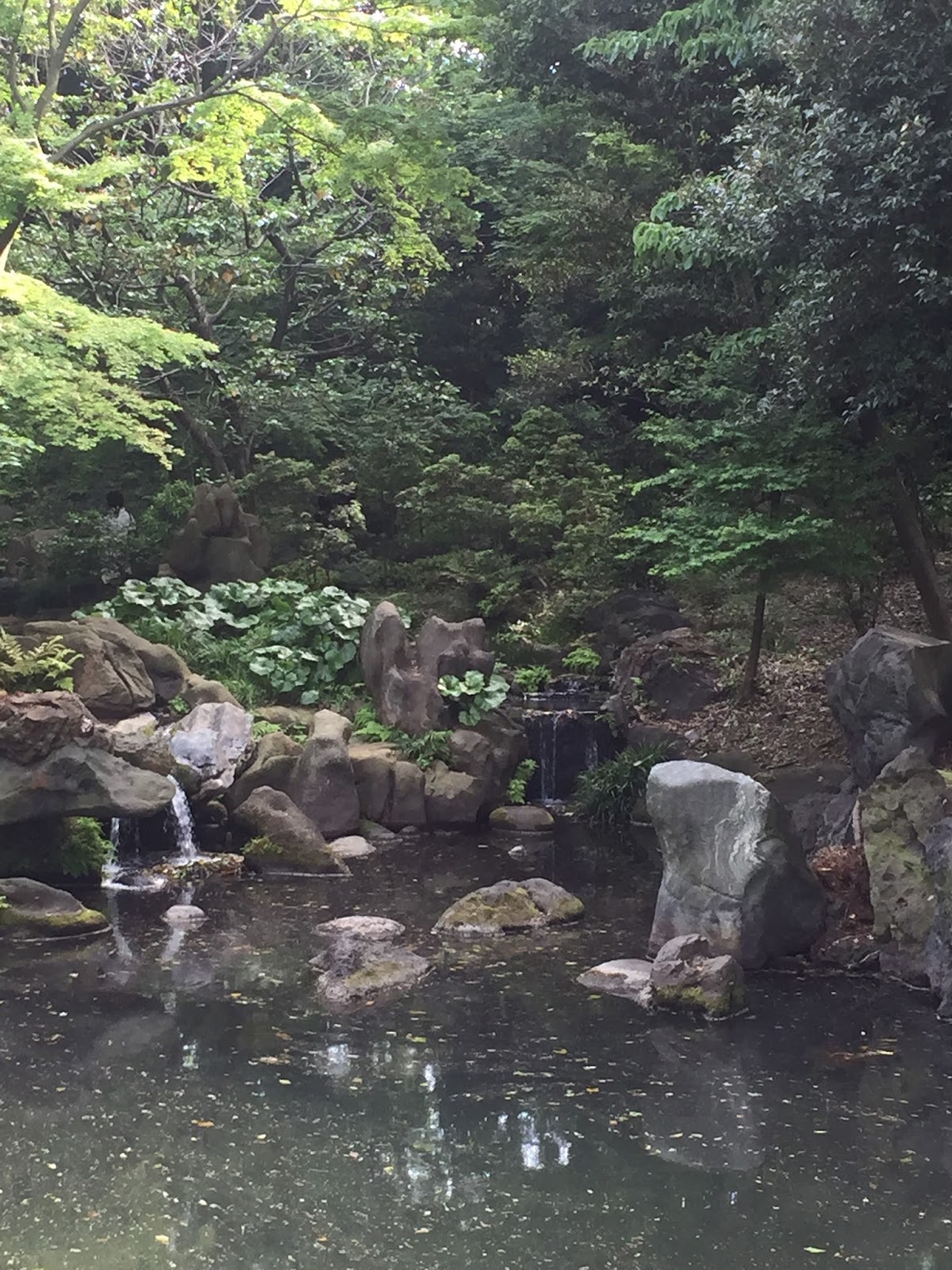
Rikugien - a beautiful Daimyo garden from the Edo era
It is too pitiful for myself to miss the scenery of Japanese gardens like Rikugien under the perfect May weather. Thanks Daimyos and the constrain of the feudel society from centuries ago, for leaving such beautiful garden. Here's why I appreciate in such way.
"Daimyo" is the Japanese word
that means powerful feudal load. They were the head of the military bands
during the civil war era (late 1500s - late 1600's) as well as the
administration of their local territories. Once the Tokugawa's band conquers
the entire country then started Edo Bakufu (Bakufu = feudal government) in
1603, Tokugawa provided all of the regional lands, outside of the capital city
of Edo (now called Tokyo), to the survived Daimyos after the civil war period,
as the local administration of the regions throughout the country, ruled by the
central Tokugawa's Bakufu.
Rikugien is one of the remaining gardens among these. It is the garden of Daimyo, Yoshiyasu Yanagisawa, a head of the regional administraion of Kai (where is called Yamanashi pref. nowadays) then later became a high-ranked official in the Tokugawa Bakufu. The garden was built in 1702 and survived through numbers of tragedies such as great fire in the city of Edo, the great earthquake in 1923, and air raid during WWII despite it's large as nearly 90,000 meter in the heart of the city.
There are a few other Daimyo gardens in Tokyo, and I will introduce them with further posts.
Subscribe to:
Posts (Atom)